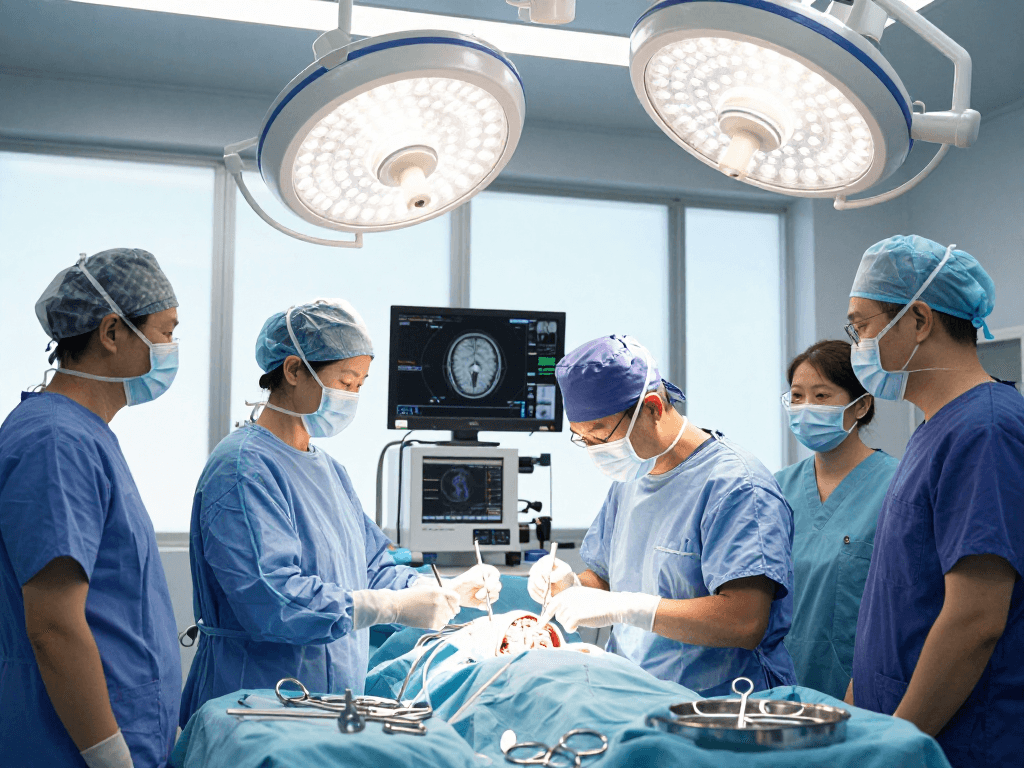
Understanding Cranial Neurosurgery
Cranial neurosurgery is a specialized field within medicine that focuses on diagnosing and treating conditions of the brain, skull, and surrounding structures. It encompasses a wide range of surgical interventions, from the removal of tumors to the management of traumatic brain injuries. As the complexity of the human brain continues to be explored, the role of a cranial neurosurgery specialist has become increasingly vital in providing effective and life-altering treatments.
What is Cranial Neurosurgery?
Cranial neurosurgery is a surgical discipline specializing in the treatment of various neurological conditions affecting the brain. This includes procedures for brain tumors, vascular malformations, epilepsy, and other structural abnormalities. The goal of cranial neurosurgery is to alleviate symptoms, restore function, and improve the quality of life for patients. Surgeons in this field employ advanced techniques and technologies to ensure precision and safety.
Common Conditions Treated by Cranial Neurosurgery Specialists
Cranial neurosurgeons treat a variety of conditions, including:
- Brain Tumors: Both malignant and benign tumors require surgical intervention to remove or reduce their size.
- Aneurysms: These are bulges in blood vessels that can lead to hemorrhagic strokes if not addressed.
- Traumatic Brain Injury: Surgical repair may be necessary for skull fractures or intracranial bleeding.
- Epilepsy: In some cases, surgery may be indicated to control seizures when medication fails.
- Hydrocephalus: This condition involves an accumulation of cerebrospinal fluid in the brain, often treated with shunting techniques.
The Role of a Cranial Neurosurgery Specialist in Patient Care
A cranial neurosurgery specialist plays a multifaceted role in patient care. They are involved in diagnosing conditions through advanced imaging techniques, educating patients about their options, and performing complex surgeries. Besides technical skills, these specialists often provide emotional support, addressing patients’ concerns and guiding them through the recovery process.
Key Techniques in Cranial Neurosurgery
Minimally Invasive Approaches Explained
Minimally invasive techniques have revolutionized cranial neurosurgery by reducing recovery times and minimizing complications. Procedures such as endoscopic brain surgery allow surgeons to access the brain through small openings using specialized instruments. This less invasive approach usually results in less pain, reduced scarring, and a quicker return to normal activities.
Innovative Technologies Used by Cranial Neurosurgery Specialists
Technological advancements are vital in enhancing the outcomes of cranial surgeries. Innovations such as intraoperative MRI and neuronavigation systems assist surgeons in visualizing the brain in real-time, allowing for precise interventions. Robotic-assisted surgery is also gaining traction, providing improved dexterity and control during delicate procedures.
Importance of Imaging in Surgical Planning
Imaging techniques, including MRI and CT scans, are crucial for preoperative planning. These tools enable cranial neurosurgery specialists to assess the size, location, and nature of the abnormality, ensuring they develop an informed surgical strategy. High-definition imaging allows for better surgical outcomes by improving the surgeon's understanding of the anatomy involved.
Preparing for Cranial Neurosurgery
Preoperative Assessments and Patient Education
Before undergoing cranial surgery, patients will undergo comprehensive preoperative assessments, including neurological examinations and imaging studies. Patient education is also key; doctors will explain the procedure, the expected outcomes, and any associated risks, ensuring that patients are well-informed and comfortable prior to surgery.
What to Expect During the Surgery
During the surgery, patients are typically placed under general anesthesia. The surgical team will monitor vital signs closely. The process can vary significantly in length depending on the complexity of the condition, ranging from a few hours to an entire day. After the operation, patients are moved to the recovery area for monitoring before being transferred to a hospital room.
Postoperative Care and Recovery Process
Postoperative care is designed to facilitate healing and monitor for potential complications. Patients may experience pain and swelling, which can be managed with medication. Physical therapy often begins soon after surgery to enhance mobility and overall recovery. Follow-up appointments are essential to track progress and ensure the success of the procedure.
Challenges and Considerations in Cranial Neurosurgery
Common Challenges Facing Cranial Neurosurgery Specialists
Cranial neurosurgery specialists face unique challenges, including the complexity of the brain’s anatomy and the potential for serious complications. Conditions such as tumor locations or vascular structures can make surgeries particularly risky. Additionally, the emotional toll of dealing with patients who may have life-threatening conditions can weigh heavily on these professionals.
Misperceptions About Cranial Neurosurgery
Many common misperceptions exist about cranial neurosurgery. Some patients may fear that any surgery on the brain is too risky or that the outcomes are always dire. In reality, advancements in techniques and technology have significantly improved success rates, leading to better patient outcomes and quality of life after surgery.
Ethical Considerations in Neurosurgical Procedures
Ethical dilemmas can arise in cranial neurosurgery, particularly concerning informed consent and the decision-making process for patients who may not be able to communicate their wishes. Specialists are trained to navigate these challenges, ensuring that patients receive care that aligns with their values and desires while also maintaining professional integrity.
Future of Cranial Neurosurgery
Emerging Trends and Technologies in 2026
By 2026, cranial neurosurgery is expected to embrace further technological innovations, including enhanced imaging techniques that provide even more detailed visualizations of brain structures. Predictive analytics powered by machine learning will help surgeons make better-informed decisions preoperatively.
The Impact of AI and Robotics on Neurosurgery
Artificial Intelligence (AI) and robotics are poised to transform cranial neurosurgery. AI can assist in diagnosing conditions and planning surgical approaches by analyzing vast amounts of imaging data. Robotic systems will offer enhanced precision during surgery, potentially reducing recovery times and improving overall patient experiences.
Patient-Centric Approaches in Neurosurgical Practices
The future of cranial neurosurgery will focus on patient-centered care, emphasizing the importance of addressing not only the physical but also the emotional and psychological needs of patients. This approach can lead to more holistic recovery processes and improved patient satisfaction.
What are the risks associated with cranial neurosurgery?
As with any surgery, cranial neurosurgery carries risks, including infection, bleeding, and neurological deficits. However, thorough preoperative assessments and advanced surgical techniques can mitigate many of these risks.
How do I choose a cranial neurosurgery specialist?
Choosing a cranial neurosurgery specialist involves researching qualifications, looking into their experience with similar cases, and reading patient reviews. It’s also essential to feel comfortable with the surgeon’s communication style and their willingness to involve you in decision-making.
What is the typical recovery time after cranial surgery?
Recovery time varies widely depending on the specific procedure and the patient’s overall health. Generally, patients may stay in the hospital for a few days to a week, with full recovery taking several weeks to months.
Are there non-surgical treatments for conditions requiring cranial neurosurgery?
Yes, non-surgical treatments may include medication to manage symptoms, radiation therapy for tumors, and specific therapies for managing conditions like epilepsy. The choice of treatment should be tailored to individual patient needs.
How can I prepare for my consultation with a cranial neurosurgery specialist?
Preparation for a consultation includes compiling a list of symptoms, medical history, and any previous imaging results. It's also advisable to have questions ready about the proposed treatment options and what to expect during the procedure.