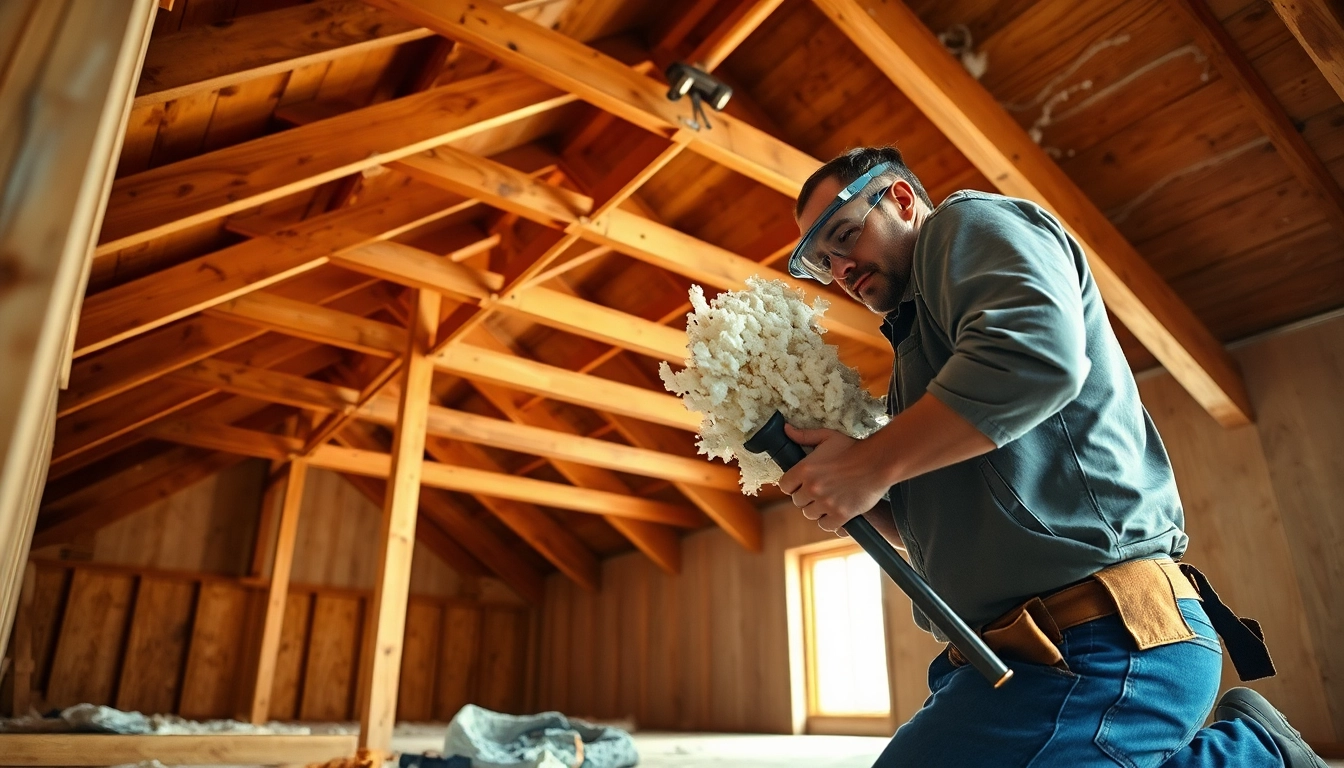
Understanding Spray Foam: Uses and Benefits
What is Spray Foam?
Spray foam insulation is an effective insulation material composed of polymer compounds, commonly polyurethane. When sprayed, it expands and solidifies, filling gaps and creating a continuous layer of insulation. This distinctive application process results in excellent thermal resistance, noise reduction, and energy efficiency. Unlike traditional insulation options, spray foam molds perfectly to the contours of surfaces, ensuring comprehensive coverage in even the most difficult spaces.
Key Advantages of Spray Foam
Many homeowners and builders prefer spray foam insulation due to its numerous advantages:
- Energy Efficiency: Spray foam contributes to a significant reduction in energy bills, making homes more cost-effective to heat and cool.
- Breathe Easy: As a vapor barrier, spray foam helps control indoor air quality by preventing moisture and humidity from accumulating.
- Long-lasting Performance: Unlike traditional insulation, spray foam does not sag or settle over time, maintaining its effectiveness for years.
- Noise Reduction: Its dense structure provides soundproofing qualities, making homes quieter and more comfortable.
- Eco-Friendly Options: Many spray foams are now made with renewable resources, aligning with sustainable building practices.
Common Applications of Spray Foam
Spray foam is utilized in a variety of applications, including:
- Attics and Crawl Spaces: Provides superior thermal insulation and moisture control.
- Basements: Effective in preventing dampness and promoting a healthy environment.
- Walls: Offers exceptional insulation and air sealing advantages, especially in new constructions.
- Roofs: Spray foam can be used as a roofing system, offering waterproofing and insulation in one.
Identifying When to Remove Spray Foam
Signs of Deterioration in Spray Foam
Over time, spray foam can deteriorate. Knowing when to remove it is crucial for maintaining a safe and energy-efficient home. Look for signs such as cracked, discolored, or crumbly foam, which indicate that it may be losing its insulating properties. Additionally, if you notice increased energy bills or drafty areas, it could be a sign that the spray foam is no longer effective and requires removal.
Allergies and Health Concerns
Some individuals may experience allergic reactions or respiratory issues related to spray foam. Symptoms may include headaches, dizziness, or respiratory discomfort, particularly during installation or removal processes. If any family member experiences these symptoms, it is wise to consider removing the affected spray foam and seeking safer alternatives. To mitigate health risks, ensure proper ventilation and protective measures during any removal process.
Planning for Removal: Timing and Strategies
Timing your spray foam removal can be critical. Plan the removal when weather conditions are mild, ensuring good ventilation. Seek professional advice or thoroughly research removal strategies that fit your specific situation. Arrange for accommodations if you’re removing foam in living areas, to minimize disruption to your daily life.
Preparing for Spray Foam Removal
Safety Precautions for DIY Methods
If you plan to remove spray foam yourself, safety should be your top priority. Wear protective gear like gloves, goggles, and a mask to safeguard against inhalation of dust and particles. Ensure that you have adequate ventilation in the area to minimize exposure to potentially harmful fumes.
Essential Tools and Materials Needed
Having the right tools can make the removal process smoother and safer. Some essential tools and materials include:
- Utility knife or oscillating saw for cutting foam
- Scraper or putty knife for peeling back layers
- Trash bags for waste disposal
- Masking tape and drop cloths for protecting surfaces
Creating a Safe Working Environment
Before starting, clear the area of any obstructions and create a safe working environment. Make sure to cover floors and furniture to protect them from debris. Good ventilation is essential; consider using fans to help circulate air and decrease the concentration of any harmful particles in the space.
Step-by-Step Guide to Removing Spray Foam
Initial Assessment and Planning
Begin with an initial assessment of the spray foam installation. Identify the extent of the foam that needs removal and make a plan. Use a utility knife to score the foam along its edges, breaking the seal with the surface it’s attached to. This initial cut is critical to successfully starting the removal process.
Technique: Cutting and Peeling Methods
Once you’ve created access points, you can use a scraper to peel away layers of foam. Start at the edges and work your way inward, applying steady pressure to remove the foam systematically. If the foam has adhered strongly, employing a heat gun can help soften the material for easier removal.
Disposal of Removed Spray Foam
Proper disposal is essential to comply with local regulations. It is often recommended to take removed spray foam to a designated waste facility that can handle hazardous materials. Check local guidelines to ensure that you’re disposing of materials safely and legally.
Post-Removal Considerations
Cleaning Up After Removal
After all the foam has been removed, ensure thorough cleaning of the area. Use a vacuum with a HEPA filter to capture any remaining particles. Wipe down surfaces with a damp cloth to avoid spreading dust and debris around the room.
Potential Repairs and Inspections
Following removal, inspect the surfaces that were covered by spray foam. You may need to repair walls, ceilings, or roofs that the foam adhered to. Address any issues immediately to prevent further damage and ensure that your home remains energy-efficient.
Replacing with Alternative Insulation Options
After removing spray foam, consider alternative insulation materials that may be more suitable for your needs. Options like fiberglass insulation, cellulose, or mineral wool each have unique properties and benefits. Research these options thoroughly to select the best one for your specific application.
For tailored advice specific to your needs and situation, refer to the spray foam removal advice. Knowing when and how to remove spray foam insulation is crucial to maintaining your home’s comfort and efficiency.